
This stage doesn’t need romance explained — it needs it reintroduced. Gifts succeed when they interrupt habit, reward effort, and reassert desire without sentimentality. Valentine’s Day is often marketed as a one-size-fits-all celebration — roses, chocolates, and grand gestures meant to work for everyone. But relationships don’t move in straight lines, and love doesn’t stay the same year after year. What feels exciting in the early days can feel performative later on, while deeply emotional gifts too soon can feel premature.
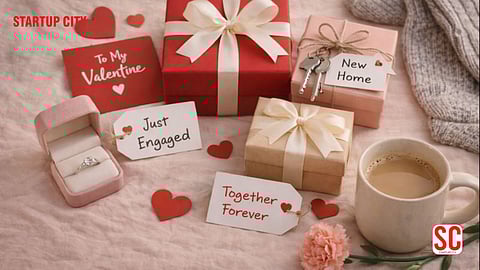
In India especially, relationships pass through clearly defined emotional milestones — dating, engagement, early marriage, and long-term partnership. Each phase brings its own priorities, insecurities, joys, and expectations. The most meaningful Valentine’s Day gifts are those that respect that stage, rather than trying to outdo the previous year.
This guide looks at Valentine’s gifting not as a trend, but as a reflection of emotional timing.
In the dating phase, gifts should feel observant, expressive, and low-pressure. The goal is not to define the relationship, but to show curiosity, effort, and emotional presence.

Everyday jewellery with a trendy edge (hoops, minimalist chains, rings)
Young women often prefer jewellery they can wear regularly rather than purely sentimental pieces. Trend-led jewellery feels stylish and desirable while still reading as romantic.
Fashion-forward handbag or mini sling
A good bag is both aspirational and practical. Gifting something she’ll actually use shows attention to her taste, not just the occasion.
Beauty favourites or cult skincare picks
Popular beauty products feel indulgent and personal without being intrusive. They signal that you notice what she likes, not just what sounds romantic.
Cute tech accessory (AirPods case, phone charm, aesthetic power bank)
Functional tech accessories blend daily utility with personality. They fit naturally into her routine and feel modern rather than ceremonial.
Branded sneakers or streetwear piece
Fashion and footwear are strong expressions of identity for young men. A well-chosen pair shows effort and understanding of his style.
Smartwatch or wireless earbuds
Tech gifts are aspirational, useful, and emotionally neutral — ideal for dating. They add value to daily life without emotional pressure.
Premium grooming upgrade (trimmer, skincare, fragrance)
Men appreciate upgrades that feel purposeful. These gifts balance self-care with utility, without reading as corrective.
Statement accessory (chain, watch, cap)
Accessories allow personal expression and are worn often, keeping the gift present in daily life.
Shared journal for casual notes or doodles
A shared notebook encourages expression without structure. It allows connection to develop naturally, without expectations.
City exploration challenge (cafés, bookstores, parks)
Turning dates into a shared challenge adds playfulness and discovery. It keeps romance experiential rather than object-focused.
Disposable camera for the year ahead
Limiting photos encourages presence over performance. The delayed gratification adds meaning to shared moments.
Gifts add excitement and desirability, while thoughtful context keeps the gesture emotionally appropriate. At this stage, wanting the gift matters as much as meaning it.
Engagement is a phase filled with excitement, planning, and quiet anxiety. Gifts during this stage work best when they offer emotional reassurance, stability, and a sense of preparedness, rather than spectacle.
Fine everyday jewellery (diamond studs, solitaire pendant, gold bracelet)
At this stage, women often appreciate jewellery that feels permanent but wearable beyond the wedding. These pieces signal seriousness and long-term intent without competing with bridal jewellery.
Luxury handbag or premium wallet
A well-crafted bag is aspirational and practical. It reflects evolving lifestyle needs and feels like a confident upgrade rather than a fleeting gift.
High-end beauty or skincare device
Devices and premium beauty tools are desirable, functional, and long-lasting. They combine indulgence with utility, which resonates strongly during this phase.
Designer footwear (heels or elegant flats)
Footwear that balances style and comfort feels thoughtful and grown-up. It also aligns with the many events and occasions that come with engagement.
Luxury or semi-luxury watch
A watch is one of the most classic engagement gifts for men. It symbolises time, stability, and stepping into a new chapter of life.
Premium leather accessories (briefcase, work bag, travel duffel)
As professional and personal responsibilities increase, quality leather goods feel aspirational and useful. They reflect readiness and refinement.
Signature fragrance from a premium brand
A well-chosen fragrance becomes part of identity. It often stays associated with this life phase for years.
High-quality grooming or wellness upgrade
Premium grooming tools or wellness devices show care rooted in longevity rather than appearance alone.
High-end experience (luxury dining, resort stay, curated getaway)
Couples at this stage value experiences that feel rewarding rather than experimental. Shared luxury creates emotional anchoring amid wedding planning.
Matching premium accessories (watches, sunglasses, luggage)
Coordinated but understated items reinforce partnership while allowing individuality.
Home investment gift (coffee machine, mattress upgrade, decor statement)
Practical investments signal future-building. They feel grounded and reassuring rather than symbolic alone.
Gifts at this stage are not about excess — they’re about durability, upgrade, and confidence. When paired with thought, aspirational items become markers of commitment rather than indulgence.
The early years of marriage are shaped by adjustment, shared routines, and learning how to live together. Valentine's Gifts in this phase work best when they support comfort, cooperation, and emotional safety, rather than ceremony.
Gold or diamond jewellery meant for daily wear
Post-wedding, many women appreciate jewellery they can wear beyond occasions. Everyday gold chains, diamond pendants, or slim bangles feel both celebratory and practical.
Premium beauty or haircare appliance
High-quality styling tools or skincare devices feel indulgent yet useful. They become part of everyday routines, making the gift last well beyond Valentine’s Day.
Designer work or lifestyle bag
A structured handbag or tote that suits work and social life feels like a meaningful lifestyle upgrade during this transition phase.
Luxury bedding or sleepwear set
Comfort becomes more important in early marriage. Premium bedding or sleepwear enhances everyday intimacy and rest.
Mid- to high-end wristwatch for daily use
Beyond wedding watches, men often appreciate a versatile everyday timepiece. It suits professional and casual settings alike.
Smart home or lifestyle tech (speaker, headphones, fitness device)
Tech gifts integrate naturally into shared routines. They enhance convenience and shared living rather than sitting unused.
Premium footwear (formal or casual)
Quality shoes are practical investments and often overlooked self-purchases. They reflect maturity and everyday utility.
Upgraded wallet or work accessories
A refined wallet, belt, or work organiser supports changing responsibilities and routines.
Home upgrade gift (sofa addition, dining set, statement décor)
Investing in shared space strengthens the sense of “home.” These gifts signal building a life together, not just celebrating occasions.
Short luxury staycation or resort break
A quick escape helps couples reconnect away from routines and family obligations.
High-quality kitchen or coffee equipment
Shared rituals like cooking or coffee become anchors in early marriage. Premium tools elevate these everyday moments.
At this stage, gifts that improve comfort, convenience, and shared living feel deeply relevant. Material upgrades carry emotional meaning because they support the life being built together.
By this stage, couples know each other well — sometimes too well. Work calendars fill up, weekends blur, and Valentine’s Day can start to feel predictable. Gifts here need to break familiarity, offer pleasure, and remind both partners that they are still individuals choosing each other.
Curated self-care reset kit (beyond beauty)
This kind of kit focuses on rest rather than appearance — think calming teas, sleep aids, journals, or relaxation tools. It recognises emotional labour and everyday exhaustion, offering restoration instead of celebration.
One-day personal retreat or solo experience
Gifting time alone can be a powerful gesture of trust and understanding. It acknowledges that personal space can strengthen, not weaken, a relationship during demanding years.
A bag or accessory she wouldn’t buy for herself
This could be a bold colour, a designer label, or a statement silhouette she admires but postpones. Gifting something slightly indulgent acknowledges desire, not just practicality.
Jewellery chosen for personality, not milestones
At this stage, jewellery works best when it reflects who she is now, not what the relationship represents. Think distinctive pieces rather than symbolic ones.
Something tied to status or aspiration, not necessity
This could be a premium watch, upgraded tech, or a refined accessory that marks where he is in life now. It acknowledges progress rather than function.
An indulgence linked to how he unwinds
Good sound equipment, upgraded gaming gear, or a hobby-related splurge recognises how limited downtime has become — and values it.
Clothing that sharpens, not replaces, his style
Instead of basics, think standout jackets, tailored pieces, or footwear that elevates his presence. It reflects attention rather than correction.
A purchase he’s postponed despite wanting it
Gifts that say “you deserve this now” often land hardest at this stage.
A deliberately planned break from decision-making
Not just a trip, but one where logistics are handled in advance. Mental relief becomes the real gift.
A shared indulgence they’ve agreed is ‘unnecessary’
Wine collections, art pieces, premium furniture — things postponed because life feels too busy. Choosing it together reclaims joy.
A rule-breaking experience
Late nights, midweek travel, or something outside routine. What matters is disruption, not scale.
This stage doesn’t need romance explained — it needs it reintroduced. Gifts succeed when they interrupt habit, reward effort, and reassert desire without sentimentality.
In long marriages, romance doesn’t disappear — it simply becomes private. Desire is quieter, decisions are shared, and gifts matter less for what they signal and more for what they restore, respect, or acknowledge. At this stage, the right Valentine’s gift doesn’t try to surprise; it tries to understand.
Handwritten life-letter reflecting shared years
A long-form letter that reflects on specific moments, challenges, and growth carries profound emotional weight. At this stage, words often matter more than objects because they validate lived experience.
Personal comfort ritual upgrade (reading corner, evening routine set)
Enhancing an existing personal routine shows deep attentiveness. It acknowledges what brings her peace rather than introducing something new to manage.
A wardrobe refresh that reflects her present self
Bodies, priorities, and preferences change over time. Clothing chosen for how she lives now — not who she used to be — communicates attentiveness.
A financial indulgence she usually deprioritises
Many women put household or family needs first. Gifting something she would never prioritise herself becomes quietly powerful.
Classic watch or refined everyday timepiece
Rather than flashy designs, men at this stage often value reliability and elegance. A well-made watch becomes a marker of time lived, not status displayed.
High-quality wallet, belt, or leather accessory upgrade
Replacing worn-out essentials with premium versions acknowledges comfort and longevity. These are items he uses daily but may never replace himself.
Technology that enhances daily routine (tablet, e-reader, smart speaker)
Tech gifts work best when they simplify or enrich everyday life rather than add complexity. They support habits like reading, listening to music, or staying informed.
Hobby-related equipment (golf clubs, camera lens, fitness gear)
Supporting long-standing interests validates identity beyond family and work. It shows respect for who he is outside shared roles.
Premium travel experience (slow holiday, heritage stay, luxury train journey)
Travel at this stage is about comfort, pace, and meaning. Shared experiences that prioritise ease over adventure resonate deeply.
High-value home purchase (sofa, mattress, dining set, artwork)
Joint investments in the home reflect partnership and shared decision-making. These purchases carry emotional weight because they shape daily life.
Fine dining experiences or cultural subscriptions (theatre, concerts, art memberships)
Shared cultural outings provide structure for time together without forcing intimacy. They keep connection alive through shared interest.
Annual Valentine’s tradition (same restaurant, shared purchase, short trip)
Creating a repeat ritual turns Valentine’s Day into a marker of continuity rather than novelty. Over time, repetition itself becomes romantic.
As relationships mature, the role of gifting changes. What begins as expression becomes reassurance, then comfort, and finally acknowledgement. By the time a couple has shared years — or decades — together, love no longer needs to be proven. It needs to be honoured.
Valentine’s Day offers a rare pause to do exactly that. Not through spectacle, but through attentiveness. Not by repeating what once worked, but by responding to what matters now. A gift aligned with the stage of love it belongs to does more than delight — it affirms understanding.
In the end, the most meaningful Valentine’s gesture is not the one that looks impressive from the outside, but the one that quietly tells your partner: I see where we are — and I value it.
